Blog
Operational Legal Risks for Daily Boat Charter Businesses in Fethiye
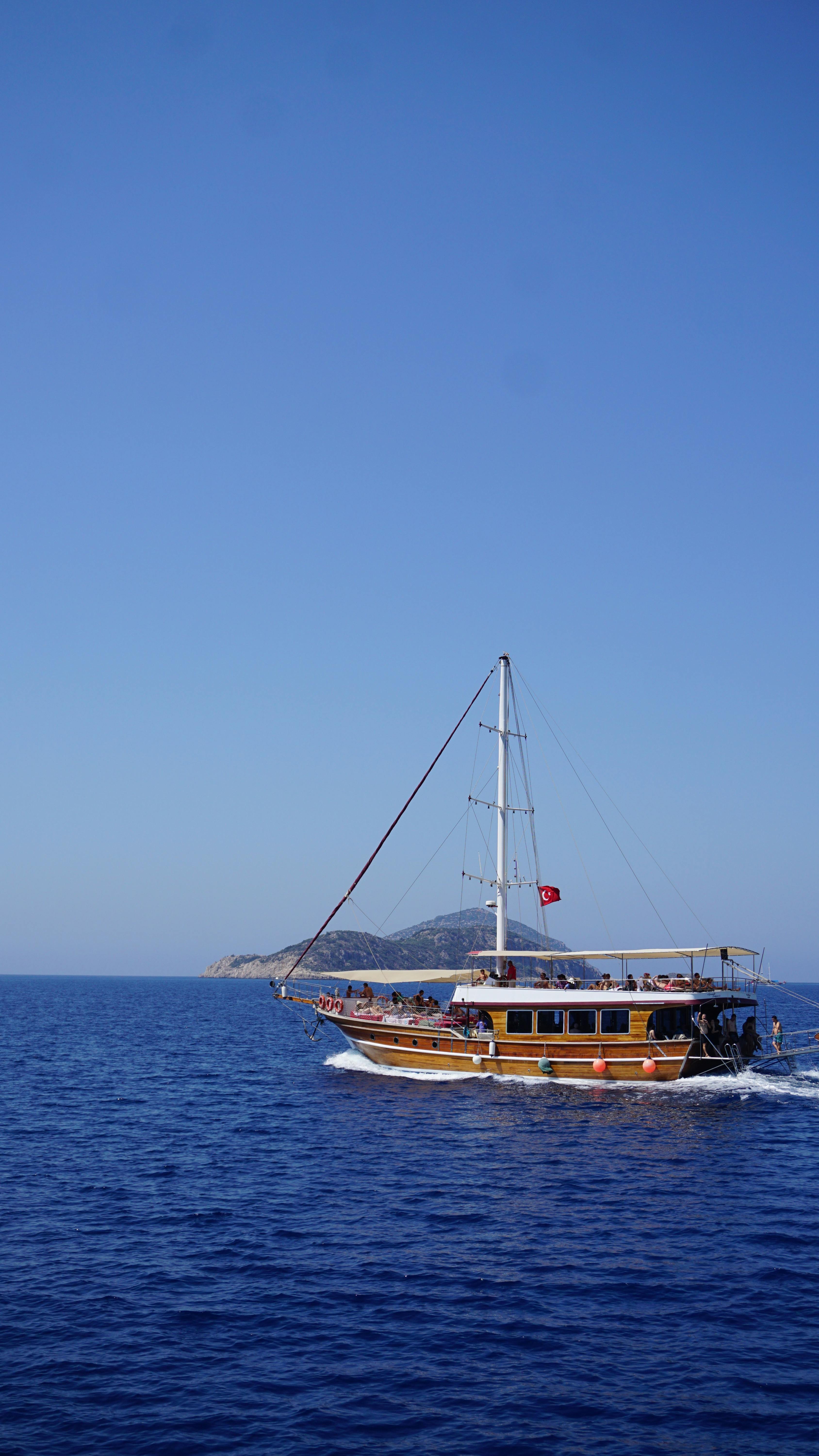
Operational Legal Risks for Daily Boat Charter Businesses in Fethiye
01.02.2026
Legal Framework Governing Daily Boat Charter in Fethiye
Regulatory Classification of Daily Boat Charter Activities
Under Turkish law, daily boat charter activities are regulated as maritime tourism operations rather than private leisure boating. Boats used for daily excursions, swimming tours, or sightseeing trips in Fethiye fall within the scope of the Tourism Incentive Law No. 2634 and the secondary legislation governing maritime tourism activities.
Once passengers are carried in return for payment, the activity is legally classified as a regulated maritime tourism operation, regardless of trip duration or seasonal nature. Charging per person, selling tickets through agents, or offering bundled tour services is sufficient to trigger this classification.
Mischaracterising daily boat tours as private excursions is a common compliance error and frequently leads to commercial yacht compliance issues in Turkey.
Competent Authorities and Local Enforcement Practice in Fethiye
Daily boat charter businesses in Fethiye are subject to oversight by multiple public authorities. From a maritime perspective, the Harbour Master is responsible for vessel controls, port operations, and safety inspections, acting under the Ministry of Transport and Infrastructure.
In parallel, daily boat charter activities are monitored within the maritime tourism regulatory framework, which affects licensing conditions, capacity approvals, and permitted routes. Local enforcement activity in Fethiye is particularly visible during the tourism season.
Inspections may be carried out without prior notice, especially during peak periods, and are not limited to situations where an accident or complaint has occurred.
Distinction Between Private Excursions and Commercial Charter Operations
A key legal risk for operators arises from misunderstanding the boundary between private use and regulated charter activity. Boats used exclusively for personal, non-remunerated purposes are not subject to the same yacht charter licensing requirements in Fethiye and compliance regime.
However, once passengers are carried for consideration, even occasionally, the operation falls within the daily boat charter category. Advertising, online promotion, cooperation with hotels or tour agencies, and repeat operations reinforce the commercial nature of the activity.
Operational Compliance Risks for Daily Boat Charter Operators in Fethiye
Licensing, Declared Operating Parameters, and Authorisation Risks
Daily boat charter operations in Fethiye are required to operate within the scope of the maritime tourism authorisations granted under the applicable regulatory framework. Boats used for daily excursions must conduct their activities strictly in line with their approved operation type and declared operating parameters.
Operating outside the permitted operating area, expanding services beyond the authorised activity scope, or materially changing how tours are conducted without approval are common compliance breaches. These issues often arise where operators adjust operations in response to weather conditions or commercial demand without regulatory alignment.
Such deviations may result in administrative penalties for yacht operations in Turkey or temporary operational restrictions, particularly during the high tourism season.
Passenger Capacity, Safety Obligations, and Crew Compliance
Passenger capacity is a critical compliance area for daily boat charter businesses. The maximum number of passengers permitted is determined by the vessel’s certification and safety documentation, and exceeding this limit constitutes a serious regulatory violation.
Safety obligations extend beyond the presence of equipment. Life-saving appliances, passenger briefings, and crew readiness are all subject to inspection. Deficiencies in these areas are treated as operational risks rather than minor technical oversights.
Crew compliance is also closely monitored. The qualifications and certification of the captain and crew must be consistent with the vessel’s authorised use and declared passenger capacity.
Harbour Controls, Inspections, and Administrative Sanctions
Harbour authorities in Fethiye play an active role in monitoring daily boat charter operations. Inspections may address compliance with maritime tourism authorisations, passenger limits, safety measures, and adherence to declared operating parameters.
Administrative sanctions vary depending on the nature and recurrence of the breach. Initial measures may include warnings or administrative fines, while repeated or serious violations can lead to temporary suspension of operations or restrictions on port access.
From a risk management perspective, maintaining consistency between declared operations and actual daily practice is essential to avoid cumulative sanctions over the charter season.
Liability Exposure and Risk Allocation in Daily Boat Charter Operations
Passenger Liability and Operator Responsibilities
Daily boat charter operators owe passengers a duty of care throughout the excursion, covering embarkation, navigation, onboard conduct, and disembarkation. Liability exposure is assessed primarily by reference to the operator’s control over the vessel and the legal responsibilities of yacht owners in Turkey.
Passenger injuries arising from overcrowding, inadequate safety briefings, unsafe boarding practices, or crew negligence commonly result in operator liability. Maritime conditions do not reduce responsibility and may increase the expected standard of care.
Liability exposure is not limited to physical injury. Loss of personal belongings, emergency response failures, and improper supervision during swimming stops may also give rise to yacht accident claims in Turkey.
Allocation of Responsibility Between Operator, Captain, and Crew
From a legal perspective, daily boat charter businesses cannot fully transfer responsibility to the captain or crew through internal arrangements. While crew members have individual duties, the operator remains primarily responsible for operational compliance and passenger safety.
Authorities and courts typically assess whether staffing, training, and operational planning were adequate. Failures attributed to crew actions may translate into operator-level liability where supervision or organisational structures are deficient.
Reliance on informal working arrangements or undocumented crew roles significantly increases exposure in the event of an accident or inspection.
Maritime Insurance Requirements and Coverage Limitations
Maritime insurance is a central component of risk management for daily boat charter operations. Passenger liability insurance for yacht operations in Turkey mitigates financial exposure but does not replace compliance obligations.
Coverage may be reduced or denied where policies do not reflect the vessel’s authorised use, passenger capacity, or operational profile. Operating beyond declared parameters or in breach of regulatory conditions can undermine insurance protection.
Certain risks, including gross negligence or regulatory non-compliance, may fall outside standard coverage. Insurance presupposes lawful operation.
Contractual Risk Management and Documentation Practices
Passenger Agreements, Tickets, and Information Notices
Passenger-facing documents such as tickets and booking confirmations serve both commercial and evidentiary purposes. These documents should clearly identify the operator, describe the service provided, and set out basic safety and conduct rules.
While liability for personal injury cannot be contractually excluded, clear information reduces misunderstandings and dispute risk. Challenges often arise where services are sold through intermediaries and advertised terms differ from actual operations.
Inconsistent messaging between agents and operators increases exposure during complaints or inspections.
Limitations of Liability and Unenforceable Clauses
Broad disclaimers seeking to exclude responsibility for accidents or injuries have limited legal effect. Clauses attempting to fully exclude liability for passenger safety are generally unenforceable, particularly where personal injury or regulatory non-compliance is involved.
More defensible provisions focus on passenger conduct, adherence to safety instructions, and acknowledgement of inherent maritime risks, provided these are clearly communicated.
Poorly drafted disclaimers may undermine an operator’s position and create a false sense of security.
Documentation, Record-Keeping, and Evidentiary Risk
Accurate documentation is a core element of operational risk management. Passenger lists, safety briefings, crew assignments, and voyage records may be requested during inspections or investigations.
Incomplete or inconsistent records weaken the operator’s position, even where no substantive breach has occurred. In the absence of contemporaneous documentation, the burden of explanation often shifts to the operator.
Maintaining organised records aligned with declared operations is therefore a key legal safeguard for yacht charter operations in Turkey throughout the charter season.
FAQ
What legally qualifies as a daily boat charter in Fethiye?
Daily boat charter in Fethiye covers passenger-carrying sea excursions offered for payment, including swimming tours and sightseeing trips. Once passengers are carried for consideration, the activity is treated as a regulated maritime tourism operation.
Who is responsible if a passenger is injured during a daily boat tour?
In most cases, primary responsibility rests with the charter operator rather than solely with the captain or crew. Liability is assessed based on operational control, safety arrangements, and regulatory compliance.
Does having maritime insurance eliminate liability risks for operators?
No. Maritime insurance mitigates financial exposure but does not remove legal responsibility. Coverage may be limited or denied where operations exceed authorised parameters or involve regulatory non-compliance.
Summary
Daily boat charter operations in Fethiye are subject to maritime tourism regulations that require careful legal and operational compliance. Compliance failures often arise from misclassification of activities, operational deviations, capacity breaches, and inadequate documentation. Passenger liability and maritime insurance play a central role in risk allocation, but do not replace regulatory compliance or operational discipline. Proactive legal structuring and consistent operational alignment are essential for uninterrupted daily boat charter operations in Fethiye.
For professional legal assistance with charter operations and compliance in Turkey, contact Gokalp Legal.
This article provides general information and does not constitute legal advice.