Blog
Legal Framework for Commercial Yacht Charters in Turkey
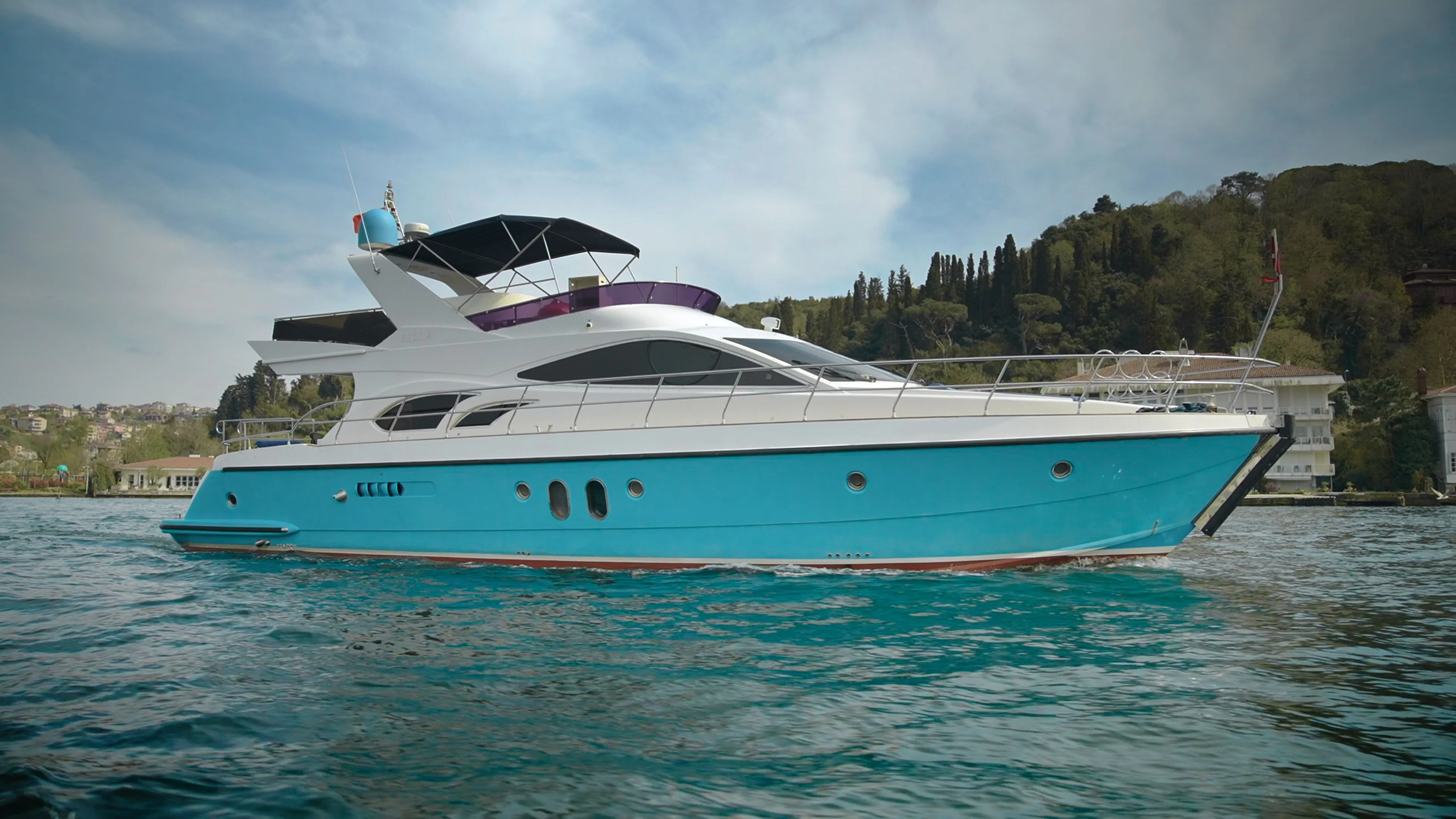
Legal Framework for Commercial Yacht Charters in Turkey
27.07.2026
Understanding Yacht Charter Law in Turkey
Commercial yacht charter activities in Turkey are regulated by a combination of tourism, maritime and commercial legislation rather than a single statutory instrument. The principal legal framework is established by the Tourism Encouragement Law (Law No. 2634) and the Marine Tourism Regulation (Deniz Turizmi Yönetmeliği), which govern the certification and operation of marine tourism businesses. Depending on the structure of the proposed business, the Turkish Commercial Code (Law No. 6102) and other maritime legislation may also become relevant.
One of the first legal distinctions concerns the purpose for which a yacht is operated. A privately used yacht is intended solely for personal or recreational use, whereas a commercial yacht is used to generate income through charter services or other authorised commercial activities. Once a yacht enters commercial service, both the vessel and its operator become subject to a regulatory regime that does not apply to privately operated yachts. In practice, advice from a maritime lawyer in Turkey may be useful when assessing the licensing, registration and operational requirements that apply to the proposed charter model.
Responsibility for regulating commercial yacht charter activities is shared between several public authorities. The Ministry of Culture and Tourism oversees the certification of marine tourism businesses, while the Ministry of Transport and Infrastructure is responsible for matters such as vessel registration, seaworthiness and maritime safety. Depending on the proposed operation, compliance with additional technical, operational and crew-related requirements may also be necessary before commercial activities can begin.
Foreign investors should also be aware that the legal position of a commercial yacht depends not only on its intended use but also on its flag and operating structure. In particular, the Turkish cabotage regime may affect whether and how a foreign-flagged yacht can engage in commercial charter activities within Turkish waters. As a result, identifying the applicable regulatory framework at the planning stage is an important part of establishing a compliant yacht charter business in Turkey.
Licensing Requirements for Commercial Yacht Charters
Operating a commercial yacht charter business in Turkey involves more than registering a vessel for commercial use. Before charter activities can commence, the operator must ensure that both the business and the yacht satisfy the certification and operational requirements prescribed under the Marine Tourism Regulation (Deniz Turizmi Yönetmeliği) and its Implementation Communiqué (Deniz Turizmi Yönetmeliği Uygulama Tebliği). The precise requirements depend on the nature of the proposed activity and the legal status of the vessel.
The licensing process is administered by more than one public authority. The Ministry of Culture and Tourism is responsible for the certification of marine tourism businesses and eligible marine tourism vehicles, while the Ministry of Transport and Infrastructure oversees vessel registration, seaworthiness and compliance with maritime safety requirements. In practice, commercial operators should ensure that both tourism and maritime obligations have been satisfied before offering charter services.
Compliance extends beyond the initial licensing process. Commercial yacht operators are expected to maintain the certificates and documentation required for their activities, comply with applicable safety and manning requirements, and ensure that the vessel continues to meet the operational standards prescribed by Turkish legislation. The exact obligations vary according to the type of vessel and the nature of the commercial operation.
Particular care should be taken where a foreign-flagged yacht is intended to operate commercially in Turkish waters. In addition to the charter licensing requirements in Turkey applicable to marine tourism activities, the proposed operating model should be assessed in light of the Turkish cabotage regime. Depending on the circumstances, cabotage restrictions may affect whether a foreign-flagged yacht can lawfully provide commercial charter services or whether an alternative operating structure should be considered. For that reason, the vessel's flag, ownership structure and intended commercial use should all be evaluated before charter operations begin.
Operating a Commercial Yacht Charter Business in Turkey
Obtaining the necessary licences and certificates is only the beginning of the regulatory process. Once commercial charter operations commence, operators are expected to maintain compliance with the legal and technical requirements applicable to their business throughout the life of the operation. Ongoing compliance is an essential part of operating a commercial yacht charter business, rather than a one-off administrative exercise.
Commercial yacht operators are responsible for ensuring that vessel documentation remains valid, mandatory inspections are completed where required, and the yacht continues to satisfy the technical and safety standards prescribed under the applicable maritime legislation. Depending on the nature of the operation, additional obligations may also apply in relation to crew qualifications, manning requirements and onboard safety equipment.
Operators should also ensure that commercial activities remain consistent with the scope of the certificates and authorisations issued for the vessel and the business. Changes to the operating model, the vessel's use or its ownership structure may have regulatory consequences and should be assessed before they are implemented. Maintaining accurate operational records and supporting documentation can also assist in demonstrating compliance during inspections carried out by the competent authorities.
For foreign investors, regulatory compliance should be viewed as an ongoing aspect of risk management rather than simply a licensing requirement. Establishing appropriate compliance procedures from the outset can help reduce the likelihood of regulatory issues and support the lawful operation of a commercial yacht charter business over the longer term.
Legal Considerations for Foreign Yacht Owners and Investors
Turkey remains an attractive destination for commercial yacht charter activities, but foreign investors should recognise that the legal analysis extends beyond the acquisition or registration of a vessel. The applicable requirements may vary depending on factors such as the yacht's flag, ownership structure, proposed operating model and the nature of the charter services to be provided. Identifying these issues at an early stage can help avoid regulatory complications once commercial operations are underway.
Particular attention should be given to the distinction between Turkish-flagged and foreign-flagged yachts. While foreign-flagged yachts may, in certain circumstances, participate in commercial activities in Turkey, their ability to do so is subject to the applicable legislative and regulatory framework. In practice, the proposed business model should also be assessed in light of the Turkish cabotage regime, which may impose important restrictions on the commercial carriage of passengers and other charter activities within Turkish territorial waters.
Foreign investors should also consider whether the proposed structure requires the establishment or use of a Turkish legal entity. Depending on the circumstances, the ownership and operating structure may affect both the regulatory approval process and the ongoing operation of the business. These considerations are often addressed at the planning stage to ensure that the proposed model is commercially viable and legally compliant.
Careful legal planning before launching a commercial yacht charter business can significantly reduce regulatory risk. By considering the vessel's flag, ownership arrangements, licensing requirements and the potential impact of the cabotage regime together, investors are better placed to establish a business that operates within the requirements of Turkish law.
Frequently Asked Questions
Can foreign nationals operate a commercial yacht charter business in Turkey?
Potentially, yes. However, the legal position depends on several factors, including the yacht's flag, the proposed operating structure, the applicable licensing requirements and the Turkish cabotage regime. Foreign investors should therefore assess the legal framework applicable to their proposed business before commencing commercial charter operations.
Do I need a licence to operate a commercial yacht charter business in Turkey?
Yes. Commercial yacht charter activities are subject to the certification and licensing requirements established under the Tourism Encouragement Law, the Marine Tourism Regulation and the applicable maritime legislation. The precise requirements vary according to the vessel, the proposed commercial activity and the intended operating structure.
What legal issues should foreign investors consider before entering the Turkish yacht charter market?
Foreign investors should consider matters such as the yacht's flag, ownership and operating structure, licensing requirements, maritime safety obligations, and the potential impact of the Turkish cabotage regime. Addressing these issues at the planning stage can help reduce regulatory risk and support the lawful operation of the business.
Summary
Understanding yacht charter law in Turkey is essential before establishing or operating a commercial yacht charter business. The legal framework extends beyond licensing and includes continuing operational obligations, maritime safety requirements and, in many cases, the implications of the Turkish cabotage regime. Identifying the applicable legal requirements at an early stage enables yacht owners and investors to structure their operations with greater legal certainty and to support long-term compliance with Turkish law.
For professional legal assistance with yacht charter law in Turkey, commercial yacht licensing and marine tourism compliance, contact Gokalp Legal.
This article provides general information and does not constitute legal advice.