Blog
Legal Assistance for Foreigners Facing Criminal Charges in Fethiye
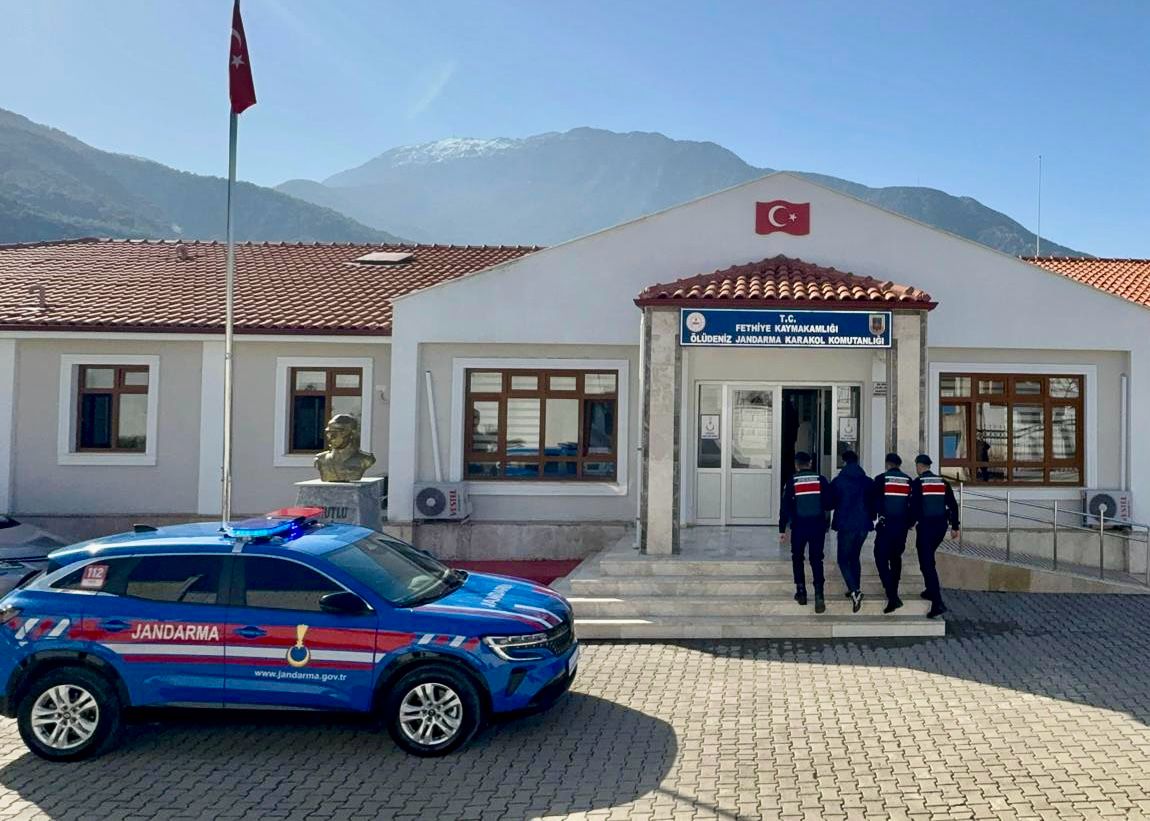
Legal Assistance for Foreigners Facing Criminal Charges in Fethiye
17.05.2026
Understanding Criminal Charges in Fethiye
Under Turkish criminal procedure law, a foreign national may become involved in a criminal investigation following a complaint, police report, public prosecutor’s inquiry, or incident recorded by law enforcement. In Fethiye, allegations may arise from public order incidents, traffic disputes, tourism-related conflicts, financial complaints, property disputes, or controlled substance investigations.
The expression “criminal charges” should be understood carefully in the Turkish legal context. During the investigation stage, the public prosecutor assesses whether there is sufficient basis to prepare an indictment. A case proceeds to prosecution only after the indictment is accepted by the competent criminal court.
For foreigners facing criminal charges in Fethiye, early guidance from a criminal defense attorney in Fethiye can be important, as the early stage of the file is often the most difficult to understand.
Police contact, prosecutor instructions, interpreter involvement, and written statements may occur before the person fully understands the procedural position. Understanding whether the matter remains at the investigation stage or has already proceeded to indictment can significantly affect procedural rights and obligations.
Foreign nationals are subject to the same criminal procedure rules as Turkish citizens. However, language barriers, travel plans, residence permit status, and limited familiarity with Turkish institutions may create additional practical risks. In some situations, foreign nationals first become aware of an investigation during airport checks, residence permit procedures, or formal police notifications.
In some cases, the person may be invited to give a statement rather than detained. In others, police custody, judicial control measures or travel restrictions may be considered depending on the allegation and procedural assessment. The applicable measure depends on evidence, flight risk, offence type and the prosecutor’s or court’s evaluation.
Legal assistance at this stage, often provided through an English-speaking criminal lawyer, usually focuses on understanding the allegation, reviewing available procedural documents, and ensuring that statements are not given without proper interpretation or legal advice. For foreign nationals, early procedural clarity can reduce misunderstandings before the matter proceeds to criminal court proceedings in Turkey.
Legal Rights of Foreign Nationals Under Turkish Criminal Procedure Law
Foreign nationals involved in criminal investigations in Turkey are protected by procedural safeguards under the Turkish Constitution and the Criminal Procedure Code No. 5271. These protections apply regardless of nationality, visa category, or residence permit status. In practice, however, foreign nationals may experience additional difficulties where language barriers or unfamiliar legal procedures affect communication with authorities. For a practical overview of the immediate steps to take after arrest, see our guide on what to do if arrested in Turkey as a foreigner.
One of the most important procedural rights is access to legal representation. A suspect may request a lawyer before providing a statement to the police or prosecutor. Under certain circumstances defined by Turkish criminal procedure law, defence counsel may become mandatory, particularly where the suspect is a minor, has certain disabilities or the allegation falls within mandatory defence rules. Early involvement of an English-speaking criminal lawyer can help ensure that early legal representation in criminal proceedings is secured from the beginning of the investigation.
Foreign nationals also have the right to interpretation where they cannot adequately understand or communicate in Turkish. Interpretation should be provided during police questioning, prosecutor interviews, and important procedural notifications. In practice, misunderstandings frequently arise where informal translations are attempted by friends, employers, or third parties rather than qualified interpreters.
Turkish authorities are additionally required to inform suspects of their procedural rights before formal questioning. These rights generally include the right to remain silent, the right to legal assistance, and the right to notify a relative. Statements obtained without adequate procedural safeguards may later become disputed during criminal court proceedings in Turkey.
For foreigners unfamiliar with Turkish legal procedure, written statements and procedural records often create practical difficulties. Police interviews are formally recorded in writing and translated where necessary. Individuals should avoid signing documents they do not fully understand and should request clarification through an interpreter or defence lawyer where inconsistencies or translation concerns exist. For a broader explanation of detention procedures and legal rights, read our guide: What to Do If You Are Arrested: Legal Rights Explained.
Foreign nationals may also request that their consulate or embassy be informed where detention or significant procedural measures arise. Consular officials do not replace legal representation, but they may assist with communication issues, passport-related matters, and contact with relatives abroad. In some cases, consular communication becomes particularly important where detention continues for an extended period or travel restrictions are imposed.
Judicial control measures may also affect foreign nationals during the investigation stage. Depending on the allegation and procedural assessment, courts may impose travel bans, reporting obligations or other restrictions instead of pre-trial detention. These measures remain legally binding until modified or removed through judicial procedure.
For individuals facing criminal charges in Fethiye, understanding these procedural safeguards at an early stage can affect how the investigation develops. Delays in obtaining legal advice, interpretation support, or procedural clarification may create unnecessary complications during both the investigation and prosecution stages.
Working With an English-Speaking Criminal Lawyer During Criminal Proceedings
For foreign nationals involved in criminal investigations in Turkey, communication difficulties often become one of the main procedural concerns. Police questioning, prosecutor interviews, court notifications and written records are generally conducted in Turkish. Even where interpretation is available, misunderstandings may arise if procedural terminology is not clearly explained during the investigation stage.
An English-speaking criminal defense attorney can assist foreign nationals in understanding the procedural status of the case and the practical implications of ongoing investigations. Legal assistance commonly involves reviewing police statements, attending questioning procedures, examining available investigation documents and communicating with prosecutors or court authorities within procedural limits.
In practice, many foreigners first seek legal advice after receiving a police notification, travel restriction or summons to provide a statement. Others may become aware of criminal proceedings during airport controls, residence permit applications or administrative checks connected to immigration procedures. The procedural response required may differ depending on whether the matter remains at the investigation stage or has already progressed to prosecution.
Under Turkish criminal procedure law, defence lawyers may request access to investigation documents where procedural restrictions do not apply. Certain files may remain subject to confidentiality decisions during the investigation stage, particularly where prosecutors consider disclosure harmful to evidence collection or the integrity of the investigation. For this reason, access to information can vary depending on the nature of the allegation and the procedural status of the case.
Foreign nationals should also understand that criminal investigations and immigration matters are legally separate. However, allegations involving criminal offences may sometimes affect residence permits, visa renewals or re-entry assessments carried out by administrative authorities. Legal strategy, therefore, often requires coordination between criminal procedure considerations and immigration-related practical issues.
During court proceedings, defence counsel may assist with interpretation concerns, procedural objections, evidence review, and communication with judicial authorities. For foreign defendants, working with a criminal lawyer in Turkey can be particularly important where hearings involve multiple procedural stages before a final judgment is issued. Criminal hearings in Turkey may involve multiple procedural stages before a final judgment is issued, particularly where expert reports, witness testimony, or digital evidence examinations are required.
In some situations, foreign nationals may authorise legal representatives through a notarised power of attorney to manage procedural steps on their behalf. The scope and form of the power of attorney should be reviewed carefully, particularly where representation, file access or communication with authorities is required.
In some cases, courts may impose judicial control measures instead of pre-trial detention. These may include travel restrictions, reporting obligations or additional procedural requirements determined by the court. Foreign nationals should avoid assuming that departure from Turkey remains unrestricted while criminal proceedings are ongoing.
For foreigners seeking expat legal services during criminal proceedings, obtaining accurate procedural advice at an early stage is often important. Delays caused by informal translations, unofficial guidance or misunderstandings regarding Turkish procedure can complicate the defence process unnecessarily. Clear communication between the client, interpreter, and defence lawyer, therefore, remains an important practical aspect of criminal court proceedings in Turkey. Foreign nationals may therefore benefit from professional criminal law services in Turkey when navigating investigation files, court hearings, and procedural documents.
Court Procedures, Judicial Control Measures and Practical Considerations for Foreign Nationals
Where a criminal investigation progresses to prosecution, the case proceeds before the relevant criminal court, depending on the nature and severity of the alleged offence. Under Turkish criminal procedure law, criminal courts evaluate evidence presented by the prosecutor and defence before reaching a final judgment. For foreign nationals, Turkish court proceedings may initially appear unfamiliar, particularly where interpretation and document translation are required.
The prosecution stage formally begins after the indictment is accepted by the court. Following acceptance, the court schedules hearings, reviews evidence submissions, and hears statements from the parties involved in the proceedings. Depending on the file, criminal cases may involve witness testimony, forensic examinations, expert reports, or digital evidence assessments before the court reaches a judgment or other procedural decision.
Foreign nationals attending criminal hearings in Turkey are generally entitled to interpretation support where they cannot adequately understand Turkish. In practice, however, procedural misunderstandings may still arise where technical legal terminology or translated written records are not fully explained. Reviewing hearing records and procedural documents carefully with defence counsel, therefore, remains important throughout the proceedings.
In some cases, courts may decide that judicial control measures are sufficient instead of ordering pre-trial detention. These measures may include travel bans, reporting obligations, or other restrictions considered necessary while proceedings continue. Judicial control decisions remain legally binding until modified or lifted by the court through formal procedure.
For foreigners facing criminal charges in Fethiye, travel restrictions often become one of the most significant practical concerns during ongoing proceedings. Individuals should not assume that a temporary departure from Turkey is permitted merely because they have been released from detention or allowed to remain outside custody. Violating judicial control measures may create additional procedural and criminal consequences.
Court proceedings in Turkey may continue for extended periods depending on the complexity of the allegation, the number of defendants, evidence collection requirements, and the court’s workload. In some situations, hearings are postponed because expert reports, witness attendance, or additional investigations remain incomplete. Procedural timelines, therefore, vary significantly from case to case.
Foreign nationals who do not permanently reside in Turkey may sometimes continue certain procedural steps through legal representatives acting under a notarised power of attorney. However, personal attendance may still be required for specific hearings or procedural acts depending on the court’s assessment and the nature of the allegation. Procedural obligations should therefore be reviewed carefully with defence counsel before leaving Turkey.
For individuals seeking expat legal services during criminal proceedings, maintaining accurate communication with legal representatives is often essential. Changes to residence addresses, contact details, or travel status should generally be communicated promptly where procedural obligations continue. Clear coordination can help reduce missed notices, attendance issues, and procedural misunderstandings.
Frequently Asked Questions
Can foreign nationals leave Turkey while criminal proceedings are ongoing?
Foreign nationals should not assume that they can depart from Turkey without restriction while criminal proceedings are ongoing. If a travel ban or other judicial control measure has been imposed, departure from Turkey may be legally restricted until the measure is lifted or modified by the court.
Is interpretation provided during criminal court proceedings in Turkey?
Interpretation should be provided where a foreign national cannot adequately understand or communicate in Turkish. This may apply during police questioning, prosecutor interviews and court hearings. Written records should also be reviewed carefully where interpretation or translation concerns arise.
What should foreigners do after receiving a formal notice or summons connected to criminal charges in Fethiye?
Foreign nationals should first identify the procedural status of the matter, including whether it remains at the investigation stage or has proceeded to court. They should avoid giving statements or signing documents they do not understand and should seek legal advice before responding to formal notices.
Summary
Foreign nationals facing criminal charges in Fethiye should first understand whether the matter remains at the investigation stage or has proceeded to prosecution. Turkish criminal procedure law provides safeguards, including legal representation, interpretation, and judicial review of detention or judicial control measures. Practical issues such as travel restrictions, residence status, consular communication, and document translation may affect case management in practice. Early legal assistance can help clarify procedural obligations and reduce avoidable misunderstandings during criminal court proceedings in Turkey.
For professional legal assistance with criminal proceedings, detention matters, or defence representation in Turkey, contact Gokalp Legal.
This article provides general information and does not constitute legal advice.