Blog
Yacht Registration Options for Foreign Owners in Antalya
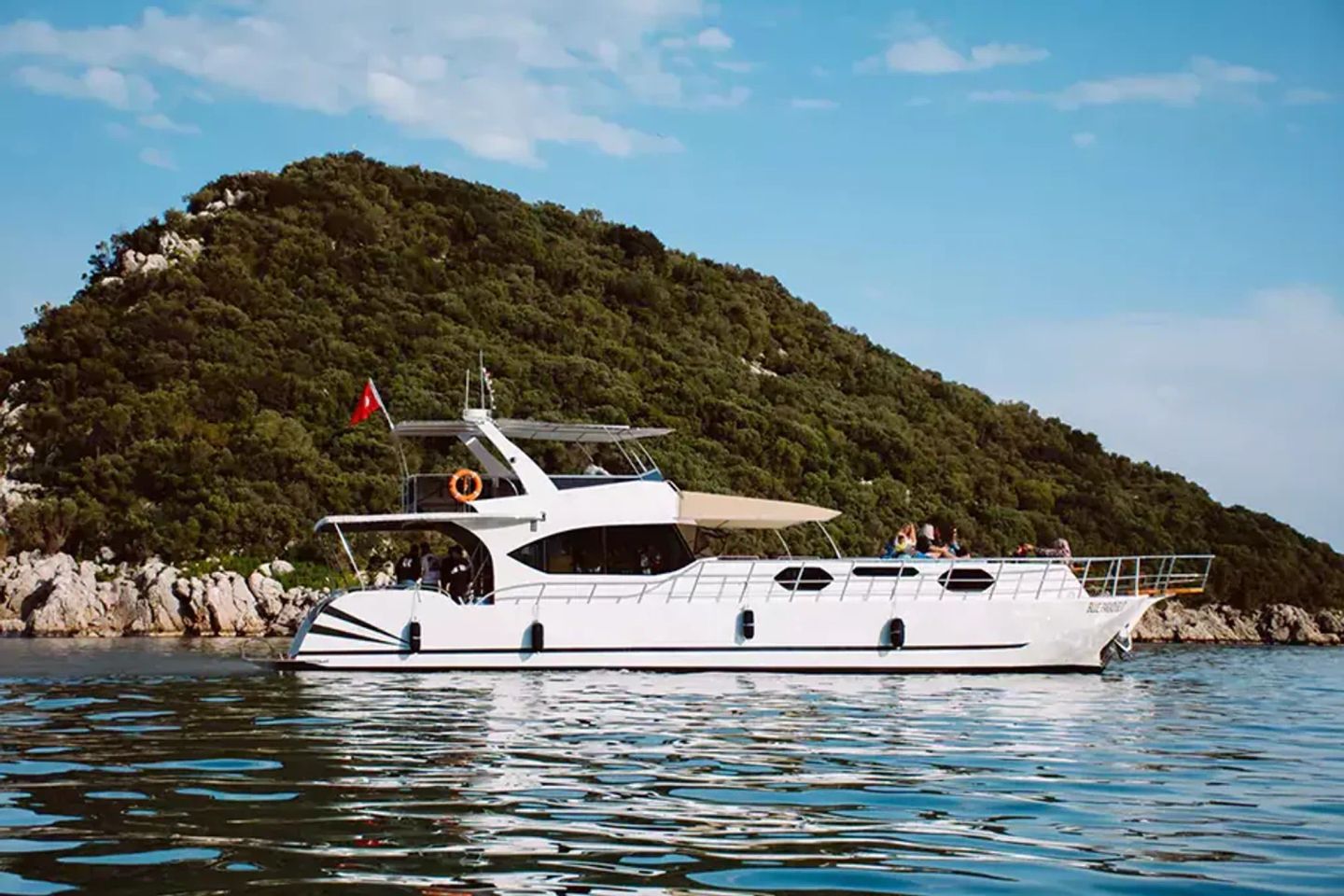
Yacht Registration Options for Foreign Owners in Antalya
28.02.2026
Legal Framework Governing Yacht Registration in Antalya
Yacht registration in Antalya is governed by national maritime legislation rather than regional rules. The primary legal framework is set out in the Turkish Commercial Code (Law No. 6102), which regulates ship status, ownership, and yacht registration principles in Turkey.
Vessels may be registered in the National Ship Registry (Millî Gemi Sicili) or in the Turkish International Ship Registry established under Law No. 4490. In addition, privately used vessels that are not required to be entered in the National Ship Registry may be recorded in the Bağlama Kütüğü pursuant to secondary legislation issued by the Ministry of Transport and Infrastructure.
Whether a yacht must be registered in the National Ship Registry depends principally on its legal qualification as a “ship” under the Turkish Commercial Code and its gross tonnage. Commercial use, international navigation, and financing considerations may also influence the choice of registry.
Although the Harbour Master’s Office in Antalya manages procedural filings and inspections, the governing legal regime for yacht registration in Antalya is uniform across Turkey.
Registration Under the Turkish Flag Yacht System
Registration under the Turkish flag requires compliance with statutory ownership rules. As a general principle, vessels entered in the National Ship Registry must be owned by Turkish citizens or Turkish legal entities incorporated under Turkish law in accordance with the Turkish Commercial Code.
If you are a foreign individual, direct ownership may not satisfy these requirements. In practice, foreign investors commonly establish a Turkish limited liability company (Ltd. Şti.) or joint stock company (A.Ş.) to hold the yacht and enable Turkish flag registration, particularly where a yacht lawyer in Turkey is needed for commercial charter operations.
An alternative structure may involve registration in the Turkish International Ship Registry (TUGS) under Law No. 4490. TUGS was introduced to enhance the competitiveness of the Turkish fleet and provide a more flexible framework for vessels engaged in international maritime activity, including commercial yachts meeting statutory criteria.
For privately owned yachts used exclusively for personal purposes and not engaged in commercial activity, registration through the Bağlama Kütüğü may, in practice, be sufficient and may not require the establishment of a Turkish company.
Registration under either registry requires submission of ownership documentation, tonnage certification, and confirmation that the vessel has been duly deleted from any previous foreign registry.
Foreign Yacht Registration and Operational Considerations in Turkish Waters
Foreign yacht registration is recognised in Turkey; however, operational rights within Turkish waters depend on customs status and intended use. A foreign-flagged yacht entering Turkey typically benefits from temporary admission under Customs Law No. 4458 and its secondary legislation, while longer-term use may require careful assessment of yacht registration and flag change procedures.
Under current customs practice, privately used foreign-flag yachts owned by non-residents may benefit from a temporary admission period of up to 18 months, subject to compliance with applicable conditions. Extensions and specific residency-linked limitations may apply and should be assessed individually.
The principal legal limitation concerns commercial activity. Under the Cabotage Law (Law No. 815), commercial maritime transport and charter operations between Turkish ports are reserved for Turkish-flagged vessels. A foreign-flag yacht is therefore generally restricted to private use while operating in Antalya and other Turkish coastal areas.
Port entry, clearance procedures, and marina contracts must reflect the vessel’s registration status. Insurance documentation and technical certificates must remain valid and consistent with the yacht’s flag state obligations. Where reflagging to Turkey is contemplated, a formal deletion certificate from the prior registry is required before Turkish registration can be completed.
Taxation, Port Registry, and Compliance Obligations
The tax consequences of yacht ownership depend on the operational model. If the yacht is operated commercially through a Turkish company, income derived from charter activity is generally subject to corporate tax under Corporate Tax Law No. 5520.
Vessels registered in the Turkish International Ship Registry may benefit from specific tax incentives under Law No. 4490. Income derived from qualifying maritime transport activities may be exempt from certain taxes, subject to statutory conditions and operational compliance.
For privately owned yachts used exclusively for personal purposes, no income or corporate tax arises; however, VAT implications at the stage of acquisition or permanent importation must be assessed.
Value Added Tax (VAT) implications arise on acquisition, importation, or commercial operation. Under Article 13 of VAT Law No. 3065, deliveries and services relating to vessels engaged in international maritime transport may benefit from VAT exemptions, provided the statutory criteria are satisfied.
In addition to taxation, Turkish-flag yachts are subject to annual registry fees, harbour dues, and periodic technical inspections supervised by the Ministry of Transport and Infrastructure. Commercial operations also require compliance with maritime labour and social security regulations.
If you intend to base a yacht in Antalya on a long-term basis, the decision between foreign yacht registration and Turkish flag status should be evaluated from both a regulatory and fiscal perspective. Registry structure, tax exposure, and operational flexibility must be assessed together rather than in isolation.
FAQ
1. Can a foreign individual register a yacht directly under the Turkish flag?
Yes, a foreign individual may register a privately used yacht through the Bağlama Kütüğü without establishing a Turkish company. However, entry in the National Ship Registry for commercial purposes generally requires Turkish ownership or a Turkish legal entity structure.
2. Is foreign yacht registration sufficient for charter operations in Antalya?
No. Under Law No. 815, domestic commercial charter activity between Turkish ports is generally restricted to Turkish-flagged vessels.
3. Does registration in the Turkish International Ship Registry provide tax advantages?
Yes, Law No. 4490 provides certain tax exemptions for income derived from qualifying maritime transport activities. These advantages are generally relevant to commercially operated vessels rather than privately used pleasure yachts.
Summary
Yacht registration in Antalya requires a clear distinction between private pleasure use and commercial charter operations. Privately owned yachts may be recorded in the Bağlama Kütüğü without a company structure, while commercial activity within Turkish waters generally requires Turkish flag registration and compliance with cabotage rules. Tax exposure, registry choice, and customs status must be assessed together to ensure full regulatory compliance.
For professional legal assistance with your maritime matters in Turkey, contact Gokalp Legal.
This article provides general information and does not constitute legal advice.