Blog
Legal Considerations for Yacht Purchase in Turkey
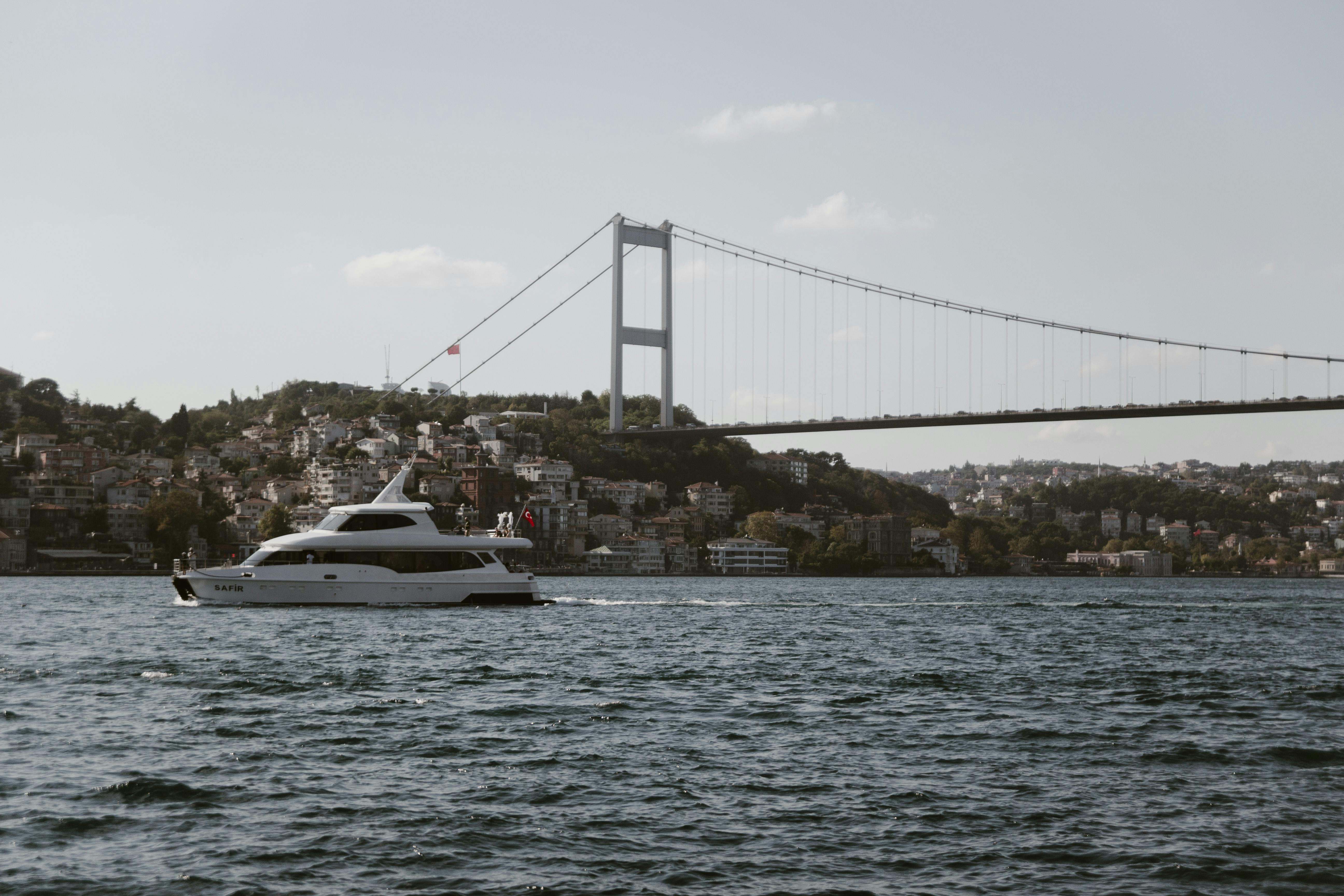
Legal Considerations for Yacht Purchase in Turkey
14.12.2025
Key Legal Framework for Yacht Purchase in Turkey
Definitions of Commercial and Private Yachts Under Turkish Law
Under Turkish maritime regulations, yachts are categorised as either private or commercial vessels. This distinction influences registration obligations, inspection requirements, and permissible uses. A private yacht is generally intended for recreational purposes, whereas a commercial yacht may operate charter services under specific licensing conditions. Both must comply with standards set by the Ministry of Transport and Infrastructure.
When purchasing a yacht, confirming its current classification is essential because the designated status determines survey obligations and crew requirements, a process often handled with the assistance of a yacht lawyer in Turkey. Reclassification is possible but may involve technical inspections and administrative approvals. Buyers should ensure that the yacht’s registration documents reflect its actual operational use.
Applicable Registration and Flag Requirements
A yacht may sail under the Turkish flag if the owner satisfies the criteria set by Turkish maritime authorities. Foreign nationals may register a yacht in Turkey provided that the legal formalities at the harbour master’s office are fulfilled. Registration records the vessel’s technical details, ownership information, and identification number.
Flag registration imposes compliance with Turkish safety, environmental, and customs regulations. Buyers should check for administrative penalties or encumbrances affecting the vessel before proceeding with the transfer. A deregistration certificate from the former flag state may also be required to complete the registration process.
Legal Authority of the Coastal Safety and Maritime Administration
Oversight of yacht operations is exercised by the General Directorate of Maritime Affairs and the General Directorate of Coastal Safety. These bodies supervise safety standards, navigational compliance, and radio communication requirements. They also issue certificates related to radio systems, surveys, and safety equipment.
During the purchase process, the harbour master’s office verifies documentation, records the transfer of title, and ensures the yacht meets applicable safety standards. Buyers should be prepared for additional inspections or document requests as part of the registration procedure.
Required Registrations and Documentation Under Turkish Maritime Law
Proof of Ownership and Title Transfer Procedures
A valid ownership certificate issued by the harbour master or previous flag state is required before a title transfer can be completed. The certificate typically sets out the yacht’s specifications, registry number, and recorded owner. Buyers should confirm that the document is current and free from inconsistencies, as part of the maritime law services in Turkey typically provided during yacht transactions.
The harbour master reviews the sale documents and confirms that the yacht is not subject to mortgages, arrest orders, or outstanding administrative penalties. Only once these matters are settled can ownership be transferred. The buyer is then recorded in the yacht registry, and an updated certificate is issued. Further procedural detail is available in our guide on Understanding Yacht Registration Procedures in Turkey.
Turkish International Ship Registry (TISR) Requirements
The Turkish International Ship Registry (TUGS/TISR) is an optional registry for eligible commercial yachts. Registering under TISR may offer operational and tax advantages, although entry is subject to defined criteria. Only commercial yachts operating internationally may qualify if they meet specific technical and crewing standards.
Applicants must submit ownership documents, technical certificates, survey reports, and tonnage details. The administration may request additional inspections before issuing a TISR certificate. Buyers considering this route should confirm compatibility with the yacht’s specifications.
Technical Certificates and Seaworthiness Documentation
Yachts must hold valid technical certificates to operate legally in Turkey. These include seaworthiness certificates, radio licences, tonnage certificates, and safety equipment approvals. Commercial yachts may require additional documents addressing fire safety and crew accommodation standards.
Buyers should verify that all certificates are valid at the time of sale. Expired documents may delay registration and can require fresh surveys from authorised classification organisations. Ensuring compliance with national safety requirements helps avoid operational interruptions.
Yacht Due Diligence and Contractual Protections
Legal and Technical Due Diligence Steps
Legal due diligence begins with a registry search at the harbour master’s office. This confirms ownership, identifies encumbrances, and reveals any administrative penalties. Mortgages or arrest orders must be cleared before completing the purchase.
Technical due diligence examines the yacht’s condition and compliance with safety standards. Independent surveyors typically assess engines, hull integrity, navigation systems, and safety equipment. Their findings help buyers evaluate necessary repairs, negotiate price adjustments, or require remedial works.
Drafting and Executing a Yacht Sale Agreement
A written yacht sale agreement provides the contractual framework for the transaction. Under Turkish law, a written form is generally sufficient without notarisation. However, some buyers choose notarisation to streamline registration procedures.
The agreement typically specifies purchase conditions, delivery terms, and seller warranties. Buyers often request assurances regarding ownership, absence of encumbrances, and accuracy of technical documents. Clear drafting helps avoid ambiguity during registration and post-delivery procedures.
Escrow, Deposit Handling, and Delivery Protocols
Escrow arrangements are commonly used to safeguard funds during the transfer process. The escrow agent releases the purchase price only once the transfer of ownership has been recorded and documentation verified.
Delivery protocols usually define the condition of the yacht at handover, the location of delivery, and the documents to be exchanged. These typically include registry certificates, equipment inventories, insurance records, and technical approvals. Clear protocols reduce uncertainty over when possession and responsibility pass to the buyer.
Taxation, Fees, and Ongoing Compliance for Foreign Yacht Owners
VAT, Stamp Tax, and Harbour Fees
VAT treatment depends on whether the yacht is sold domestically, imported, or registered under TISR. Domestic sales generally attract VAT unless an exemption applies. For foreign-flagged yachts entering Turkey, customs and tax implications vary based on intended use and duration of stay.
A stamp tax may apply to certain documents signed in Turkey, although many sale agreements are structured to avoid mandatory stamp tax conditions. Harbour and marina fees, including mooring, berthing, and service charges, differ across regions and form part of the operational cost structure.
Crew, Insurance, and Safety Compliance Requirements
Yachts registered under the Turkish flag must comply with crew and safety regulations issued by the Ministry of Transport and Infrastructure. Commercial yachts often require licensed crew members, while private yachts have fewer requirements but must still ensure competent operation.
Insurance is compulsory and must meet the minimum standards set for the vessel’s classification. Environmental liability or passenger insurance may be required depending on operational use. Harbour masters may request proof of insurance during routine checks.
Annual Renewal Obligations and Port Authority Procedures
Yachts must renew technical certificates periodically, including seaworthiness approvals, radio licences and safety equipment verification. The renewal intervals vary based on the yacht’s type and age.
Port authorities may request documentation during entry and exit procedures, especially for international voyages. Maintaining current registration, insurance, crew information and customs records helps ensure smooth movement through Turkish waters.
FAQ
Do foreign nationals face restrictions when buying a yacht in Turkey?
Foreign nationals may purchase yachts without significant restrictions, provided registration and customs rules are followed. Compliance with harbour master procedures and flag requirements is essential, particularly for commercial use.
Is a Turkish yacht sale agreement legally binding without notarisation?
A written yacht sale agreement is generally valid without notarisation. However, some buyers choose notarisation to provide evidential certainty and assist with registration formalities.
What due diligence steps are typically required before completing a yacht purchase?
Buyers usually conduct ownership checks through the harbour master and commission technical surveys addressing seaworthiness, engines, and safety systems. These steps help identify issues before finalising the transfer.
Summary
Yacht purchase in Turkey requires careful coordination of registration procedures, documentation, and compliance with maritime regulations. Buyers typically review ownership status, conduct technical surveys, and ensure that contractual protections match the yacht’s condition and intended use. Tax charges, harbour fees, and periodic renewal obligations influence the total cost of ownership. Understanding these legal and administrative requirements contributes to a smoother acquisition process and reduces risks associated with the transfer.
For an overview of our maritime law and yachting-related legal services in Fethiye, you may visit our law practice homepage.
This article provides general information and does not constitute legal advice.